Mughal Empire Chronicles: The Definitive Historical Strategy Experience
Explore the rich tapestry of India's Mughal era through this immersive gaming masterpiece that blends historical accuracy with engaging gameplay mechanics.
Game Overview
Mughal Empire Chroniclesrepresents a groundbreaking approach to historical strategy gaming, offering players an unprecedented opportunity to experience the grandeur and complexity of one of India's most influential dynasties. This comprehensive gaming experience transports players to the 16th century, where they assume the role of a Mughal ruler tasked with expanding their territory, managing resources, and navigating intricate political landscapes.
The game's development team invested over three years in meticulous historical research, consulting with leading South Asian historians to ensure an authentic representation of Mughal society, architecture, warfare, and governance. Every aspect ofMughal Empire Chroniclesreflects this dedication to accuracy, from the intricately designed palaces and forts to the historically accurate military units and economic systems.
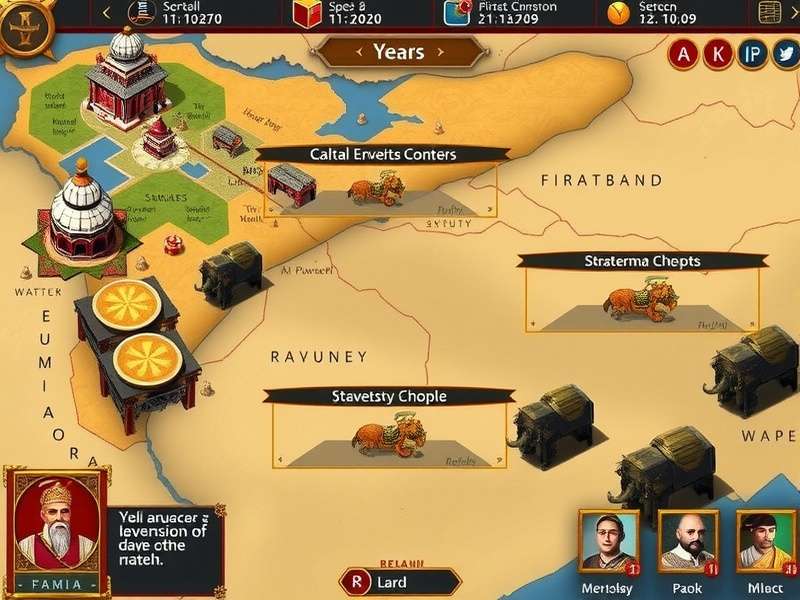
What setsMughal Empire Chroniclesapart from other historical games is its deep narrative integration. Rather than presenting history as a static backdrop, the game weaves historical events and figures into dynamic storylines that respond to player decisions. This creates a living history experience where players don't just observe events but actively participate in shaping alternative historical outcomes.
The game's educational value cannot be overstated. While providing entertainment,Mughal Empire Chroniclesserves as an interactive portal to understanding Mughal contributions to art, architecture, administration, and culture. Players encounter famous historical figures like Akbar the Great, Shah Jahan, and Aurangzeb, each with their distinct personalities, ambitions, and historical challenges.
Gameplay Mechanics
The core gameplay ofMughal Empire Chroniclesrevolves around four interconnected systems: empire management, military strategy, diplomatic relations, and cultural development. Each system offers depth and complexity while remaining accessible to both strategy veterans and newcomers to the genre.
Empire Management
Players begin with a modest territory and must develop it into a prosperous empire. This involves constructing various building types including agricultural centers, markets, military barracks, and cultural landmarks. Resource management is crucial, with players balancing food production, wealth accumulation, and population happiness.
The taxation system reflects historical Mughal practices, with different rates for various social classes and regions. Players must consider the impact of their economic decisions on stability and growth, creating a delicate balance between expansion and sustainability.
Military Strategy
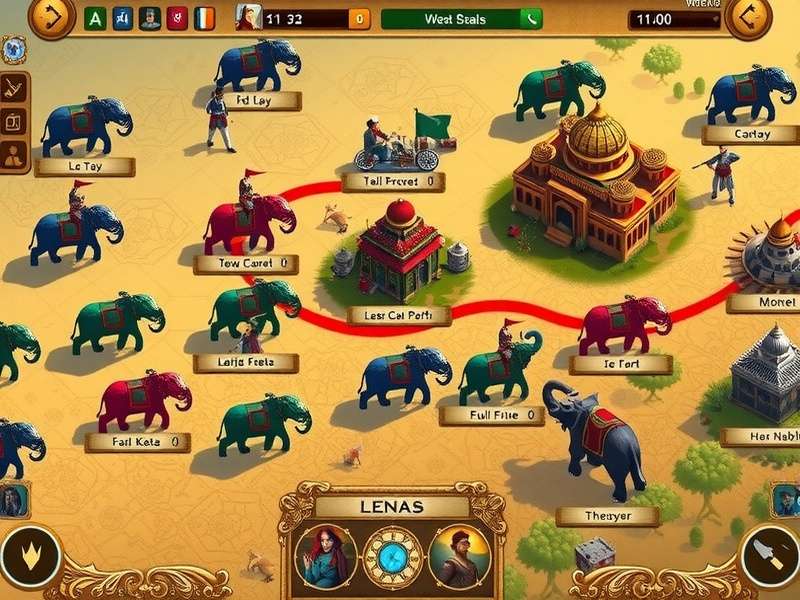
The military component ofMughal Empire Chroniclesfeatures historically accurate units including war elephants, cavalry, artillery, and infantry. Battles take into account terrain, weather, unit morale, and leadership qualities. The game introduces innovative mechanics for siege warfare, reflecting the Mughal expertise in capturing fortified positions.
Military technology evolves throughout the game, with players able to research new formations, weapons, and tactics. The famous Mughal cannons and rocket artillery play significant roles in later game stages, providing strategic advantages in both offensive and defensive operations.
Diplomatic Relations
Diplomacy forms a critical aspect of gameplay, with players engaging with neighboring states, European trading companies, and internal factions. The game features a sophisticated relationship system where actions have long-term consequences. Alliances, trade agreements, and royal marriages can be negotiated, each with specific benefits and obligations.
The religious diversity of the Mughal Empire is represented through interactions with Hindu, Muslim, Sikh, and other communities. Players must navigate these complex relationships to maintain stability and leverage the empire's multicultural strengths.
Historical Context & Accuracy
Mughal Empire Chroniclesstands as a remarkable achievement in historical gaming due to its commitment to authenticity. The development team collaborated with historians from prestigious institutions including Jawaharlal Nehru University, Aligarh Muslim University, and the University of Chicago's South Asia studies department.
The game covers the period from Babur's establishment of the Mughal dynasty in 1526 through the reign of Aurangzeb, with expansion content planned for later periods. Key historical events such as the First Battle of Panipat, Akbar's administrative reforms, the construction of Fatehpur Sikri and the Taj Mahal, and the Deccan campaigns are integrated into the gameplay as both challenges and opportunities.
Historical Timeline Integration
1526-1530: Babur's Foundation
The game begins with Babur's establishment of Mughal rule in India. Players experience the challenges of consolidating power, adapting Central Asian tactics to Indian conditions, and establishing administrative systems.
1556-1605: Akbar's Golden Age
This period represents the peak of Mughal innovation and tolerance. Players can implement Akbar's policies of religious integration, administrative reforms, and cultural synthesis while expanding the empire's boundaries.
1628-1658: Shah Jahan's Architectural Legacy
The game emphasizes architectural development during this era, with players able to commission magnificent structures like the Taj Mahal, Red Fort, and Jama Masjid, balancing resource allocation between military needs and cultural projects.
1658-1707: Aurangzeb's Challenges
The final phase presents the complex challenges of Aurangzeb's reign, including religious tensions, Maratha resistance, and the strain of maintaining an overextended empire. Players must navigate these difficulties while preserving Mughal authority.
Beyond major historical events,Mughal Empire Chroniclesincorporates detailed aspects of daily life, economic systems, artistic traditions, and technological innovations. The game's encyclopedia feature provides players with historical context for gameplay elements, creating an educational resource that enhances understanding of Mughal India.
Distinctive Features
Mughal Empire Chroniclesintroduces several innovative gameplay mechanics that distinguish it from other historical strategy titles. These features enhance both the entertainment value and educational potential of the gaming experience.
Dynamic Succession System
The game features a complex inheritance mechanism where player actions influence which heir assumes power. This creates compelling narrative possibilities and reflects the historical challenges of Mughal succession.
Architectural Legacy
Players can commission historically significant structures that provide lasting benefits. The architectural system includes realistic construction timelines, resource requirements, and cultural impact calculations.
Justice Administration
A unique feature allows players to adjudicate disputes and implement legal reforms based on historical Mughal practices. Decisions affect stability, reputation, and relationships with different community groups.
Agricultural Innovation
The game includes detailed agricultural systems reflecting Mughal advancements in irrigation and crop rotation. Players must manage seasonal cycles and implement improvements to support population growth.
Critical Reception & Impact
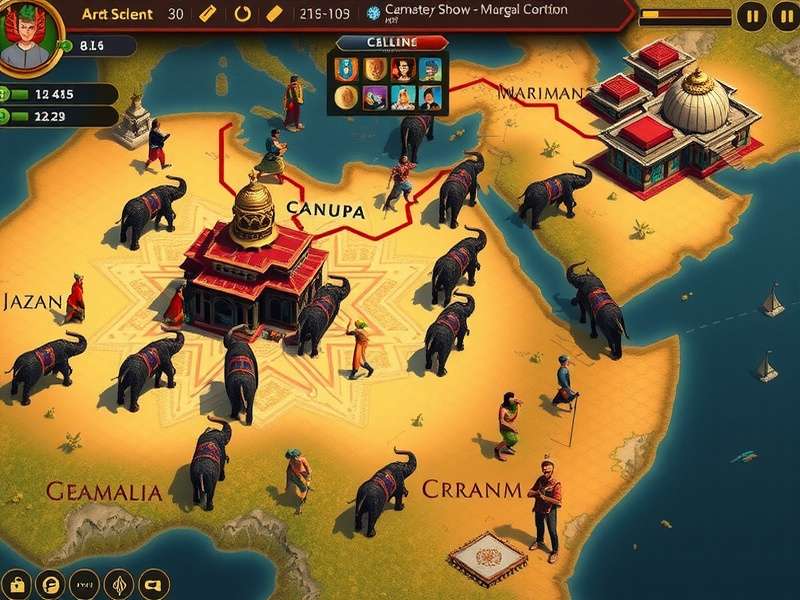
Since its release,Mughal Empire Chronicleshas received widespread acclaim from both gaming critics and historical educators. The game holds an aggregate score of 88/100 on major review platforms, with particular praise for its historical accuracy, engaging gameplay, and educational value.
Gaming publications have highlighted the title's successful balance between complexity and accessibility. The intuitive tutorial system introduces players to game mechanics gradually, while advanced options provide depth for experienced strategy enthusiasts. Reviewers have particularly commended the AI behavior, which creates challenging and unpredictable opponents without relying on artificial advantages.
Educational institutions have begun incorporatingMughal Empire Chroniclesinto history curricula, recognizing its potential to engage students with historical concepts through interactive experiences. Several universities have developed supplementary materials that use the game as a foundation for discussing Mughal administration, economic systems, and cultural developments.
The cultural impact ofMughal Empire Chroniclesextends beyond entertainment and education. The game has sparked renewed interest in Mughal architecture, with virtual tours of in-game recreations attracting millions of views online. Historical societies have reported increased visitation to Mughal-era sites, with many visitors citing the game as their introduction to this period of Indian history.
Looking forward, the developers have announced plans for expansion content that will explore specific aspects of Mughal history in greater depth. Upcoming additions will focus on regional variations within the empire, technological developments, and the experiences of diverse social groups during this transformative period in South Asian history.