Table of Contents
Overview of Indian Ocean Aquarium
Indian Ocean Aquariumrepresents a groundbreaking achievement in marine simulation gaming, offering players an unprecedented opportunity to explore and manage virtual aquatic ecosystems. This immersive experience transports players to the vibrant waters of the Indian Ocean, one of Earth's most biodiverse marine environments.
Did You Know?The Indian Ocean is home to approximately 20% of the world's coral reefs, making it a perfect setting for an aquarium simulation game.
Developed with meticulous attention to scientific accuracy,Indian Ocean Aquariumcombines entertainment with education, allowing players to learn about marine biology while enjoying engaging gameplay. The game features stunning visuals, realistic animal behaviors, and complex ecosystem dynamics that respond to player decisions.
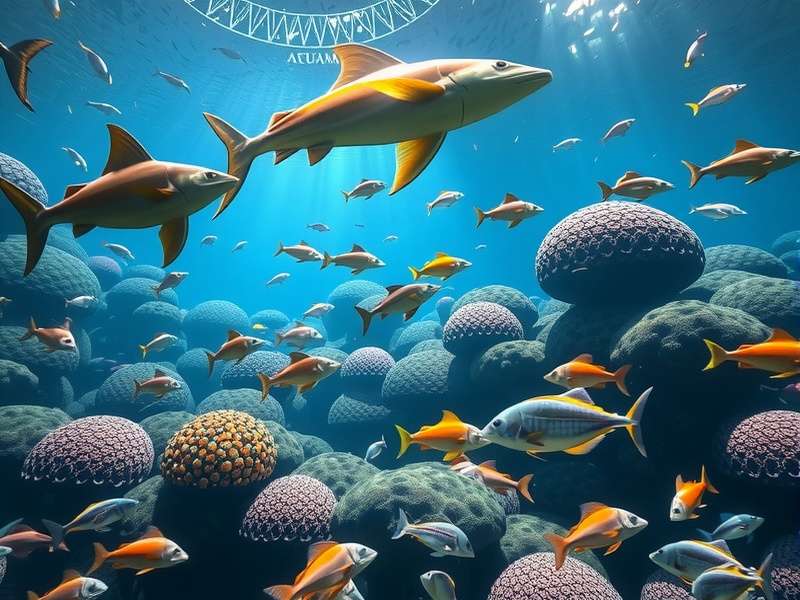
Players begin with a basic aquarium setup and gradually expand their facilities, research new species, and create specialized habitats. The ultimate goal is to establish the world's most prestigious marine research and exhibition center, focusing on conservation and education about the incredible biodiversity of the Indian Ocean region.
What setsIndian Ocean Aquariumapart from other simulation games is its commitment to authenticity. Each species is modeled after real marine organisms, with accurate behaviors, dietary requirements, and environmental needs. The game also incorporates real conservation challenges facing the Indian Ocean, providing players with meaningful context for their virtual efforts.
Gameplay Mechanics
The core gameplay ofIndian Ocean Aquariumrevolves around strategic management of aquatic facilities while balancing educational, conservation, and commercial objectives. Players must master several interconnected systems to succeed in creating a thriving marine exhibition.
Facility Management
Design and maintain aquarium tanks with appropriate filtration, lighting, and environmental controls. Upgrade facilities to accommodate more sensitive species and create specialized habitats.
Species Collection
Research, acquire, and care for hundreds of marine species. Each organism has specific requirements for water temperature, salinity, pH, tank mates, and nutrition.
Educational Programs
Develop educational content and interactive exhibits to attract visitors and increase your facility's reputation. Higher reputation unlocks new research opportunities and funding.
Conservation Projects
Participate in virtual conservation initiatives that mirror real-world efforts to protect Indian Ocean ecosystems. Success in these projects provides unique rewards and species.
Resource Management System
Effective resource management forms the foundation of successful gameplay inIndian Ocean Aquarium. Players must balance financial resources, staff expertise, research points, and visitor satisfaction to expand their facilities and conservation impact.
Pro Tip
Prioritize research on filtration systems early in the game. Advanced filtration reduces maintenance costs and allows you to keep more sensitive species, significantly increasing your aquarium's prestige.
The economic model incorporates realistic revenue streams including ticket sales, educational programs, merchandise, and conservation grants. Players must strategically invest in facilities that will generate sustainable income while advancing their conservation and educational missions.
Key Features
Indian Ocean Aquariumboasts an impressive array of features that set new standards for educational simulation games. These elements work together to create an immersive, engaging experience that respects both gaming conventions and scientific accuracy.
Visual & Technical Excellence
The game engine delivers stunning visual fidelity with realistic water physics, dynamic lighting, and detailed creature animations. Each species is rendered with meticulous attention to anatomical accuracy and behavioral authenticity.
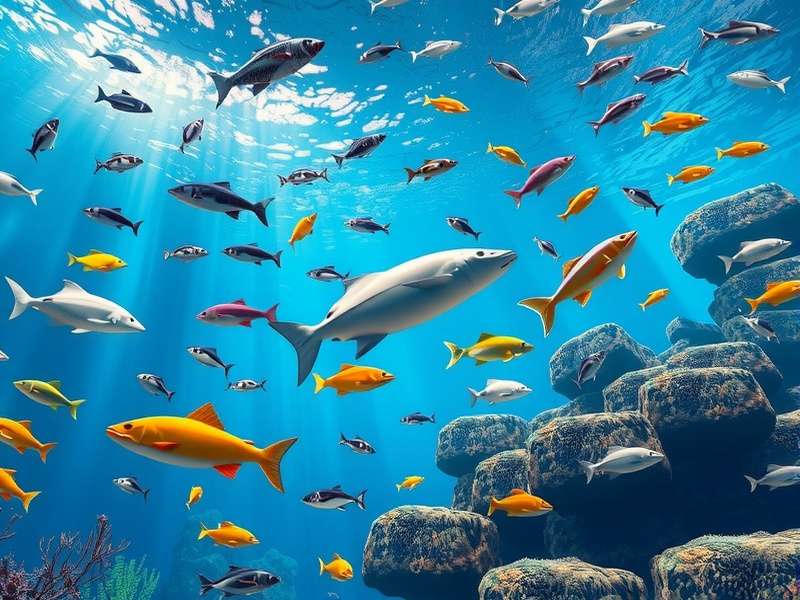
Advanced simulation algorithms create believable ecosystem interactions. Predator-prey relationships, symbiotic partnerships, and territorial behaviors all influence tank dynamics and require careful management by players.
Educational Integration
Unlike many games that treat educational content as secondary,Indian Ocean Aquariumseamlessly integrates learning into core gameplay mechanics. Players naturally absorb information about marine biology, ecology, and conservation through gameplay.
Educational Impact:Independent studies have shown that regular players of Indian Ocean Aquarium demonstrate significantly improved knowledge of marine conservation issues compared to non-players.
The game includes an extensive in-game encyclopedia with detailed information about each species, their ecological roles, conservation status, and the challenges they face in the wild. This resource grows as players discover new species and complete research projects.
Progressive Difficulty & Scaling
New players find the game accessible with straightforward initial challenges, while experienced simulation gamers encounter increasingly complex management decisions as their facilities expand. The scaling difficulty ensures long-term engagement without frustrating beginners.
End-game content includes special conservation challenges based on real-world scenarios, collaborative multiplayer projects, and the opportunity to design custom exhibits with unique thematic focuses.
Marine Species Catalog
The heart ofIndian Ocean Aquariumlies in its extensive collection of marine organisms, each meticulously researched and accurately represented. The game features species from various Indian Ocean habitats including coral reefs, mangroves, seagrass beds, and open ocean environments.
Coral Reef Ecosystems
Coral reefs represent the most biodiverse habitat in the Indian Ocean Aquarium experience. Players can cultivate various coral species while managing the complex relationships between corals, fish, and invertebrates that depend on these fragile ecosystems.
- ClownfishBeginner
- Regal AngelfishIntermediate
- Moorish IdolIntermediate
- Mandarin DragonetExpert
- Blue TangBeginner
- LionfishIntermediate
- SeahorsesExpert
- Cleaner WrasseBeginner
Pelagic & Open Ocean Species
For advanced players,Indian Ocean Aquariumoffers the challenge of maintaining large pelagic species that require massive specialized tanks. These impressive creatures become centerpiece attractions that significantly boost visitor numbers and facility prestige.
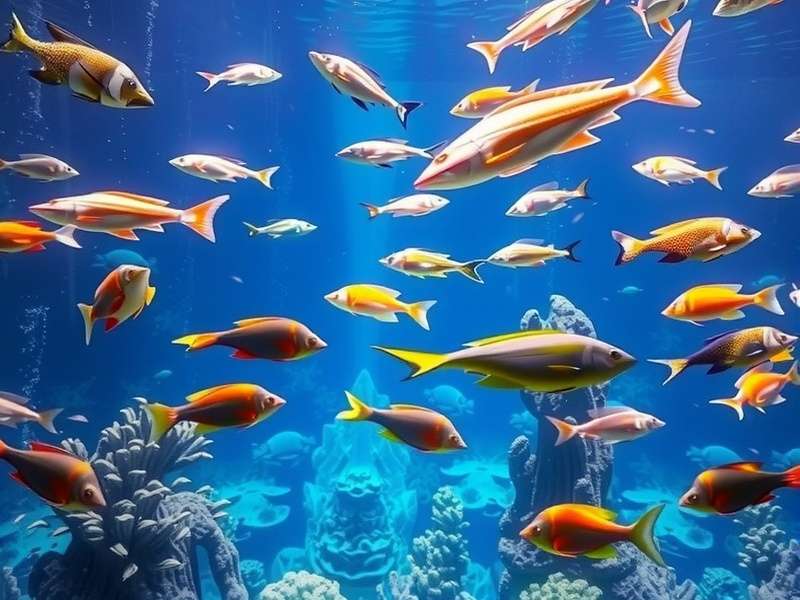
Notable pelagic species include various shark species, manta rays, sunfish, and tuna. Each requires specific tank designs, feeding regimens, and environmental conditions that challenge even experienced aquarium managers.
Important Note
Predatory species require careful compatibility planning. Housing aggressive species with potential prey organisms will result in stressed animals and possible fatalities, damaging your facility's reputation and conservation rating.
The game incorporates realistic breeding challenges for difficult species, mirroring actual aquaculture efforts in the real world. Successful breeding programs provide significant prestige rewards and contribute to the game's conservation metrics.
Player Tips & Strategies
MasteringIndian Ocean Aquariumrequires strategic thinking and careful planning. These proven strategies will help both new and experienced players optimize their aquarium management and achieve their conservation goals more efficiently.
Early Game Optimization
New players should focus on establishing a solid financial foundation before expanding into more complex exhibits. Begin with hardy, visually appealing species that have straightforward care requirements and high visitor appeal.
Strategy Insight:Players who invest in education facilities early typically achieve higher long-term success rates, as educated visitors generate more revenue and support conservation initiatives.
Prioritize research that reduces operational costs, such as improved filtration and energy-efficient lighting. These upgrades compound over time, freeing up resources for expansion and more ambitious conservation projects.
Mid-Game Expansion Tactics
As your facility grows, specialization becomes key. Consider focusing on specific ecosystem types or taxonomic groups to create cohesive, educational exhibits that tell compelling ecological stories.
Develop a balanced collection that includes both "star" species that attract visitors and supporting species that create authentic ecosystem representations. This approach maximizes both educational value and visitor appeal.
Advanced End-Game Strategies
For players aiming to create world-class research facilities, focus on rare and endangered species with successful breeding programs. These achievements provide significant prestige bonuses and unlock exclusive content.
Elite Achievement
Only 3% of players have successfully completed the "Indian Ocean Guardian" achievement, which requires maintaining viable populations of five endangered species while achieving a 95% or higher conservation impact rating.
Participate actively in community challenges and multiplayer conservation initiatives. These events provide unique rewards and opportunities to collaborate with other players on ambitious projects that would be impossible to complete alone.
Ecosystem Management
The sophisticated ecosystem simulation inIndian Ocean Aquariumrepresents one of its most impressive technical achievements. Understanding these systems is crucial for creating stable, thriving aquatic environments.
Water Quality Parameters
Multiple water parameters interact in complex ways that affect animal health, plant growth, and overall system stability. Players must monitor and adjust temperature, pH, salinity, ammonia, nitrite, nitrate, and dissolved oxygen levels.
Different species have specific tolerance ranges for each parameter, and some organisms can significantly alter water chemistry through their metabolic processes. Successful players learn to anticipate these changes and maintain balance through filtration, water changes, and biological controls.
Biological Interactions
The game models realistic predator-prey relationships, competition for resources, symbiotic partnerships, and other ecological interactions. These dynamics create emergent gameplay situations that require adaptive management strategies.
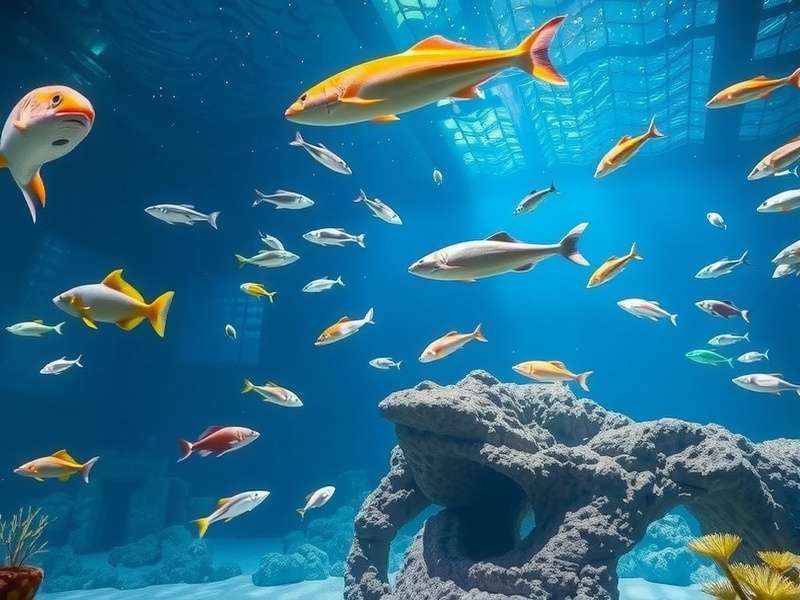
For example, introducing cleaner fish species can reduce parasite loads on other fish, improving overall health. Conversely, adding aggressive territorial species may stress tank mates, leading to health issues and reduced breeding success.
Ecological Balance:The most successful aquarium designs mimic natural ecosystem ratios with appropriate numbers of producers, consumers, and decomposers to create self-sustaining environments.
Advanced players can create multi-tank systems that share filtration and life support infrastructure, allowing for more efficient management of large collections while maintaining optimal conditions for each species.
Community & Multiplayer Features
Indian Ocean Aquariumincludes robust social features that enhance the single-player experience and create opportunities for collaborative gameplay. These elements extend engagement beyond individual aquariums to a global community of marine enthusiasts.
Collaborative Conservation Projects
Players can join forces to tackle large-scale conservation challenges that mirror real-world initiatives. These projects might involve virtual species reintroduction programs, habitat restoration efforts, or public awareness campaigns.
Successful community projects unlock exclusive species, special decorations, and unique facilities that cannot be obtained through solo gameplay. Participation also contributes to global conservation metrics that track the collective impact of the player community.
Knowledge Sharing & Trading
The game facilitates knowledge exchange through forums, in-game guides created by players, and species trading systems. Experienced players can mentor newcomers, while specialized breeders can trade rare specimens to help others complete their collections.
Community Spotlight
The "Indian Ocean Guardians" player alliance has collectively donated over $50,000 to real-world marine conservation organizations through in-game fundraising events tied to their virtual conservation achievements.
Regular community events, seasonal challenges, and competitive exhibitions keep the gameplay experience fresh and engaging long after players have mastered the basic mechanics. These events often introduce limited-time species and special gameplay modifiers.
The development team actively engages with the community, incorporating player feedback into regular updates and creating content inspired by player suggestions. This collaborative relationship has helpedIndian Ocean Aquariumevolve into one of the most respected educational games in the simulation genre.